Naperville
Established neighborhoods, newer subdivisions, broad lots, compact yards, drainage relationships, and mixed architectural contexts.
Explore Naperville demo →Expanded scope can support genuine location pages when the business has distinct local knowledge, services, projects, constraints, and customers—not interchangeable city-name swaps.
Concept coverage includes Naperville, Wheaton, Glen Ellyn, Downers Grove, Lisle, Winfield, Warrenville, and nearby communities. Real service depends on scope, travel, scheduling, and site fit.
Established neighborhoods, newer subdivisions, broad lots, compact yards, drainage relationships, and mixed architectural contexts.
Explore Naperville demo →Mature canopy, older properties, additions, narrow access, deep shade, and landscapes that have changed across decades.
Explore Wheaton demo →Grade changes, established trees, commuter-era neighborhoods, varied lots, and connected front-to-back property planning.
Explore Downers Grove demo →
A serious location strategy connects housing patterns, lot conditions, canopy, circulation, drainage, seasonality, and service fit without inventing local customers or offices.
The western suburbs contain compact older lots, newer developments, mature canopy, open exposure, varied grade, association rules, commercial properties, and many layers of prior work.
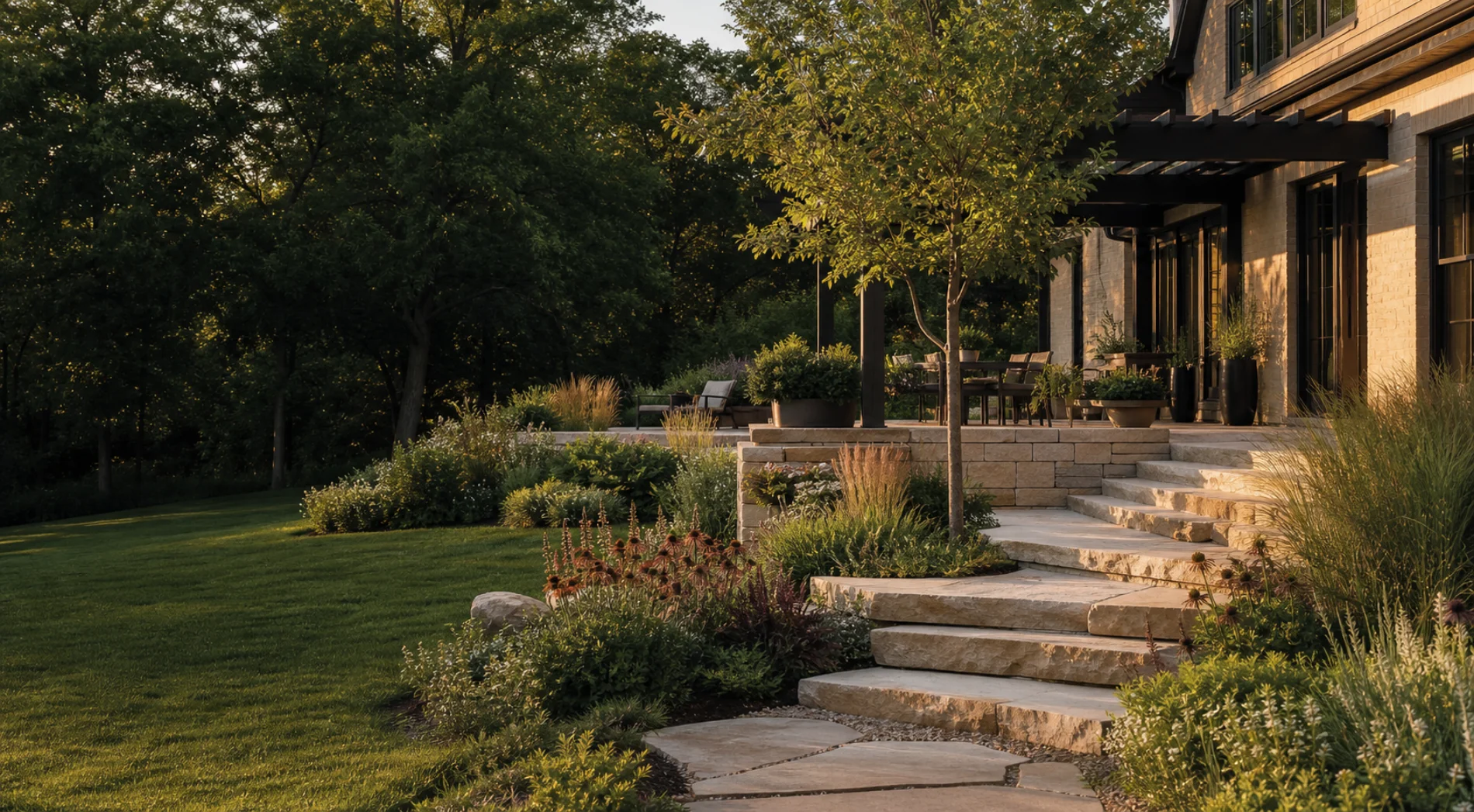
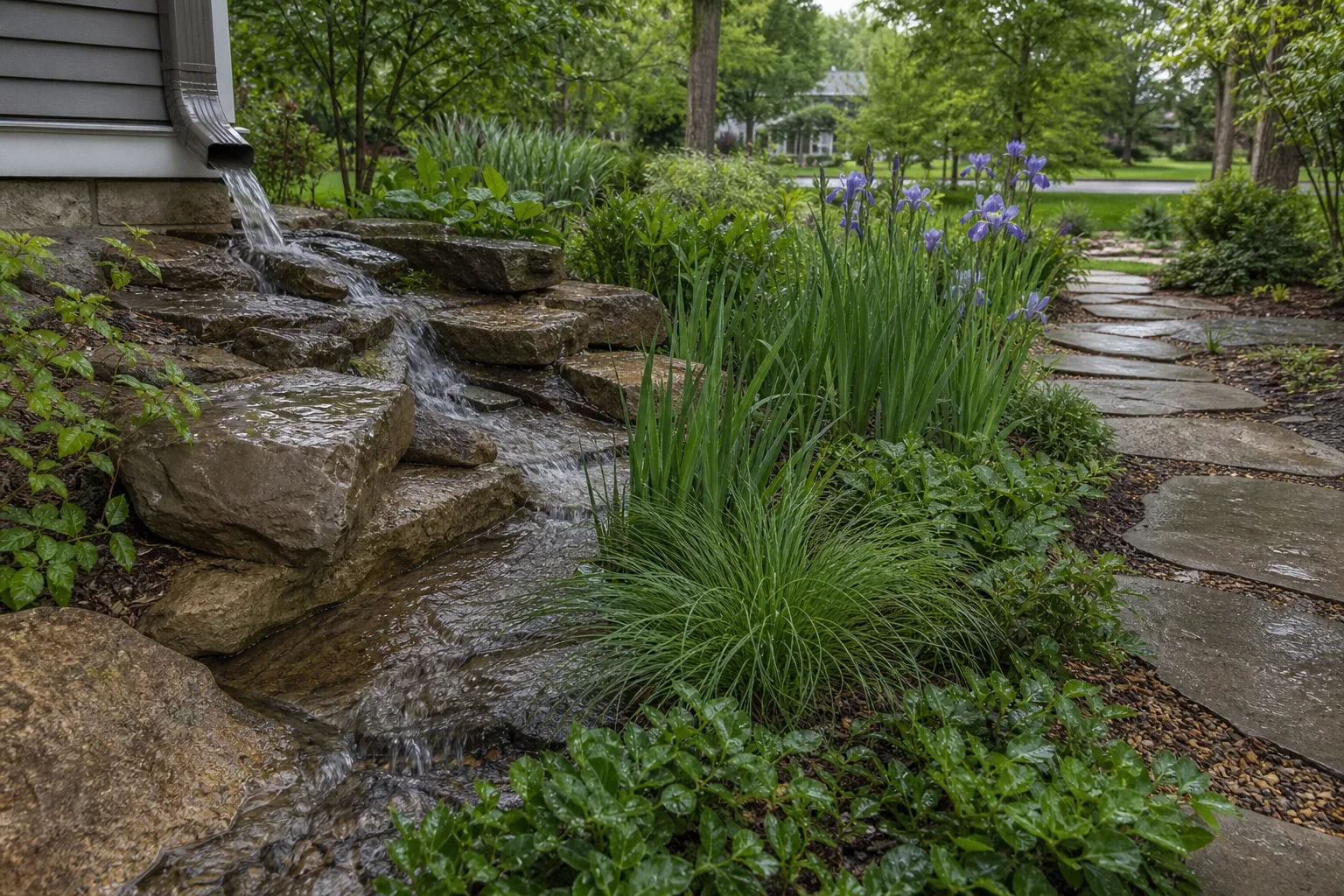



Useful local content explains fit and boundaries while avoiding fabricated proof.
No. Field & Stone is fictional and claims no office, staff, customers, licenses, or availability anywhere.
A real provider may need to explain local property patterns, service fit, travel, permitting boundaries, project minimums, and relevant work in enough depth to help visitors.
No. Thin pages with swapped city names are not useful. A page should exist only when the business can provide meaningful local information and serve that area.
No. They are geographic context for this public website demonstration.